

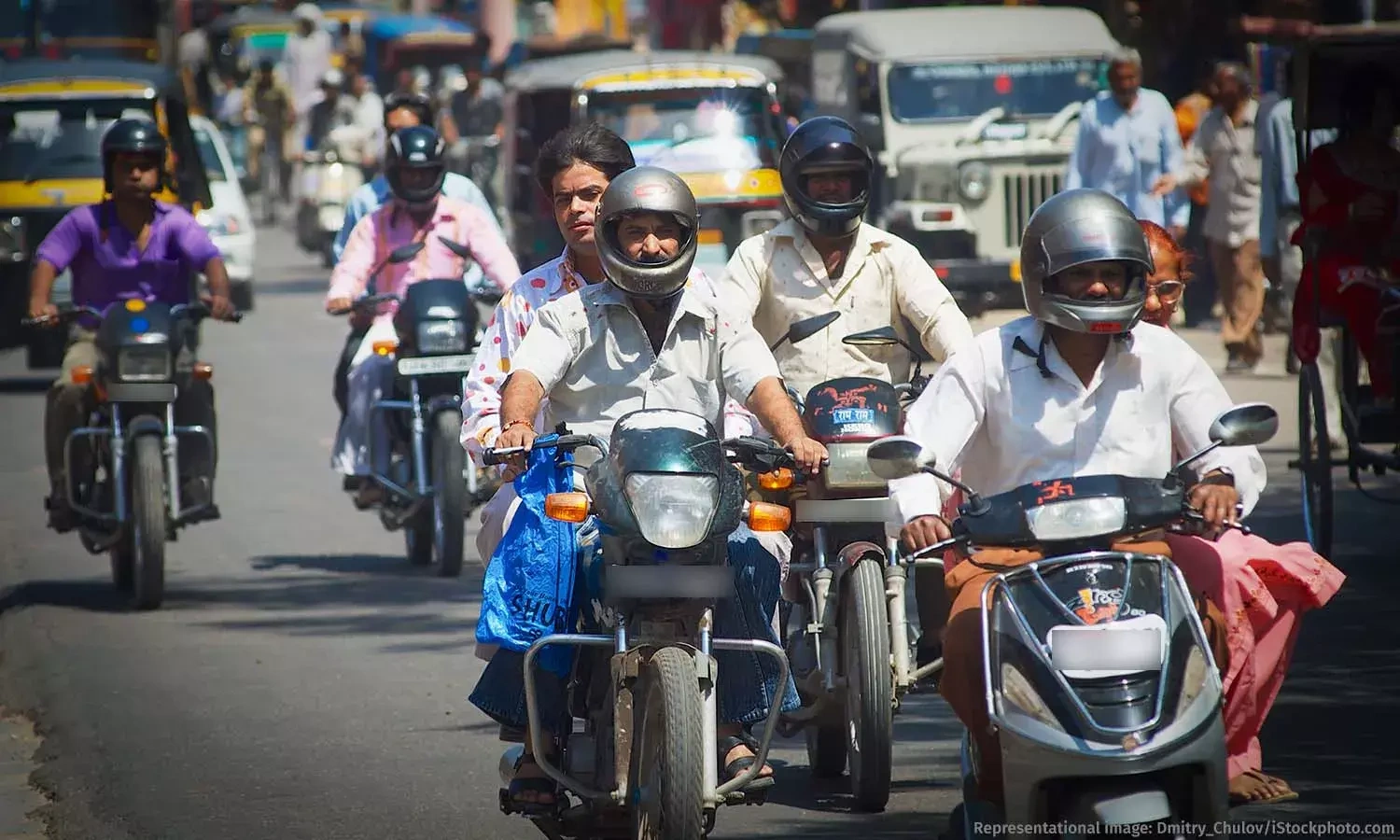
Delhi EV Policy: Two-wheelers account for approximately 67% of the total vehicles in Delhi. This means that out of every 100 vehicles plying on Delhi’s roads, 67 are two-wheelers. This policy is not limited solely to bikes; it also sets targets for transitioning buses, school buses, government vehicles, delivery vehicles, and other categories to electric power.
Add informalnewz.com as a Preferred Source


Delhi’s air quality deteriorates significantly every year during the winter season. To address this issue, the Delhi government is now poised to take a major and significant decision. The government plans to completely ban the sale of new petrol-powered two-wheelers (bikes and scooters) in Delhi within the next two years. Instead, only electric two-wheelers will be permitted for sale. This proposal has been outlined in the Delhi government’s Draft Electric Vehicle Policy 2026-2030. This draft has been made public for a period of 30 days to invite feedback from the general public and experts.
Why are petrol-powered two-wheelers being targeted?
Two-wheelers account for approximately 67% of the total vehicles in Delhi. This means that out of every 100 vehicles plying on Delhi’s roads, 67 are two-wheelers.
Due to their sheer numbers, these vehicles contribute the most to air pollution. Consequently, the government has decided to prioritize their transition to electric power. The Transport Department asserts that rapidly electrifying two-wheelers is crucial for cleaning up Delhi’s air.
What is being discontinued, and when?
Starting April 1, 2028, the registration of new petrol and CNG bikes and scooters will cease in Delhi. Only electric two-wheelers will be eligible for fresh registration.
Existing bikes and scooters will continue to operate as before. In other words, there is no sudden ban; the transition will take place gradually.
For three-wheeled vehicles (autos), new registrations will be restricted exclusively to electric models starting January 1, 2027.
For commercial services—such as delivery and taxi operations—this transition will commence even sooner.
A Decision Driven by Air Pollution
Every winter in Delhi, smog and fog intensify to such an extent that even breathing becomes difficult. Vehicular emissions play a significant role in this phenomenon. Chief Minister Rekha Gupta stated that this policy marks a major step toward establishing a “clean, accessible, and sustainable transportation system” in Delhi.
Not Just Two-Wheelers: A Major Transformation
This policy is not limited solely to motorcycles. It also sets targets for transitioning buses, school buses, government vehicles, delivery vans, and other categories to electric power. All new vehicles procured by government departments will be exclusively electric.
What’s in it for the People?
The government is offering various incentives to encourage people to purchase electric vehicles:
- Subsidies on electric two-wheelers (based on battery capacity)
- A rebate of up to ₹1 lakh on electric cars
- 100% exemption from road tax and registration fees
- Benefits ranging from ₹10,000 to ₹1 lakh upon scrapping an old vehicle
Charging and Infrastructure
The Delhi government is planning to establish charging stations. Delhi Transco has been entrusted with this responsibility. Charging points will also be required to be installed at dealerships. Provisions for battery recycling will also be made to ensure that no new pollution is generated.
Why is this decision being taken?
Two-wheelers constitute the largest segment of vehicles in Delhi and are also the primary contributors to pollution. Electrifying this segment offers the fastest route to improving air quality.
This decision is crucial not only for the environment but also for public health and for ensuring clean air in the future.

