

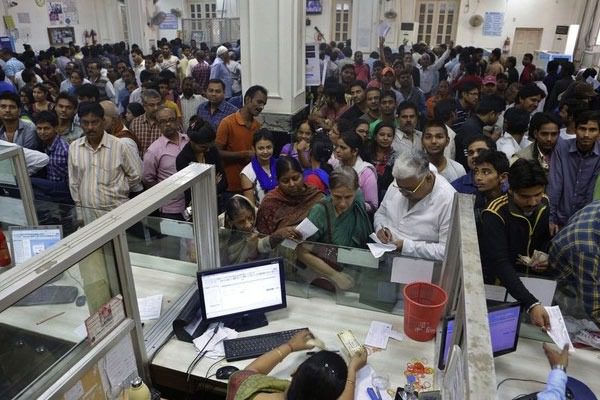
Under the new guidelines, three specific categories of bank accounts may be closed from January 1, 2026. Find out which accounts will be affected and why.
Add informalnewz.com as a Preferred Source


RBI Big Update: Starting January 1, 2026, the Reserve Bank of India (RBI) is implementing several important changes. This will impact millions of bank accounts across the country. These changes may even result in the closure of some accounts. Therefore, it’s crucial for account holders to understand the new rules and take timely action to avoid any problems.
Why are accounts being closed?
The RBI has decided to close certain types of bank accounts to make banking more secure, transparent, and efficient. The aim is to reduce fraud such as bank account hacking and strengthen the digital banking system. Through these steps, the central bank aims to address shortcomings in banking operations and provide better security and service to customers. Under the new guidelines, starting January 1, 2026, three specific types of bank accounts may be closed. Which accounts will be affected and why?
Dormant Account
A dormant account is one that has not seen any deposits or withdrawals for two years or more. Such accounts are easy targets for hackers because they are not actively monitored. To protect customers and reduce fraud, the RBI has decided to close these accounts if they are not used.
Inactive Accounts
Inactive accounts are those that have not seen any transactions for a long period of time, typically 12 months or more. Such accounts are at higher risk of misuse. Under new RBI regulations, such accounts can be closed unless the account holder reactivates them in a timely manner. Even a small transaction can help keep the account active.
Zero Balance Accounts
Bank accounts that have a zero balance for a long period of time can also be closed. The RBI wants to prevent misuse of such accounts and reduce financial risks. This move by the RBI also encourages customers to keep their accounts active and helps banks ensure that KYC details are updated and correct.

