

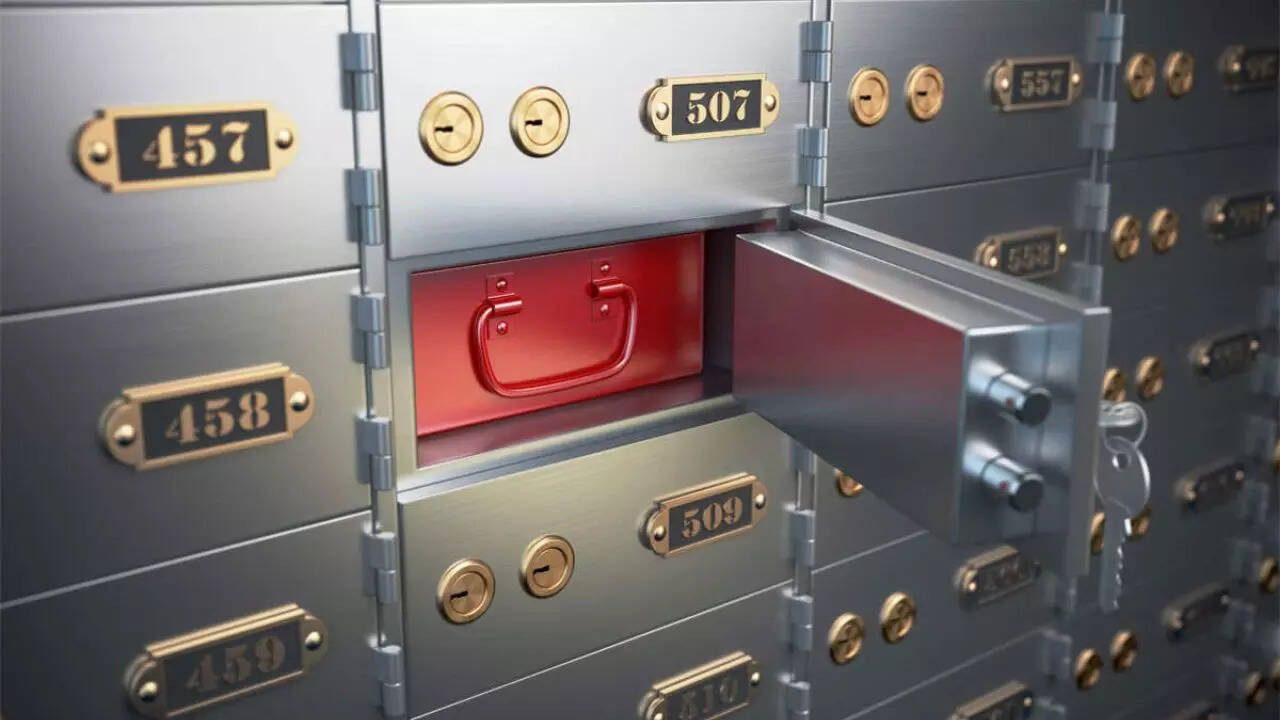
Bank Locker Rules: In the case of a locker, the bank is responsible for losses resulting from its negligence, omission, or negligence. Furthermore, the bank is also responsible for fraudulent acts by any of its employees.
Add informalnewz.com as a Preferred Source


Bank Locker Rules: Bank lockers are used by people to store their valuables and important documents safely. Banks provide 24×7 CCTV surveillance, restricted entry, alarm systems, and other modern security measures to ensure better customer safety. However, bank lockers can only be used for legitimate and prescribed purposes. The Reserve Bank of India has amended some rules related to bank lockers and has issued new guidelines. Under these rules, locker customers are required to comply with the revised locker agreement and its terms and conditions.
What you can keep and what you can’t
According to the RBI, bank lockers cannot be used for any illegal or unlawful purpose. Keeping dangerous, prohibited, or illegal items in the locker can result in strict action. Let’s take a look at what you can keep and what you can’t.
Items allowed in a bank locker
- Jewelry
- Loan-related documents
- Property documents
- Birth certificate
- Marriage certificate
- Insurance policy
- Savings bond
- Other confidential and valuable documents
These items cannot be kept in a bank locker:
- Cash and currency
- Weapons and ammunition
- Drugs and narcotics
- Explosives and contraband
- Perishable or radioactive items
- Dangerous or illegal substances
Additionally, no items may be kept in the locker that could cause inconvenience or harm to the bank or other customers. These RBI regulations are implemented to ensure customer safety and maintain transparency in the banking system. Locker holders are advised to follow the guidelines issued by the bank and renew their locker agreements on time.
What happens if the locker rent is not paid for three consecutive years?
If a customer fails to pay their bank locker rent for three consecutive years, the bank has the right to break open the locker. Under Reserve Bank of India guidelines, the bank may open the locker in such a situation by following the established procedures. However, as a matter of legality, this locker opening process must be strictly regulated and transparent. The bank maintains a detailed inventory of all items removed from the locker. Subsequently, when handing over the locker contents to the customer, it is mandatory to obtain written consent from the customer to the list, to avoid any future disputes. The RBI has clarified that all actions related to locker operations are aimed at protecting customer interests and maintaining transparency in the banking system. Banks must strictly adhere to established rules and procedures in such matters.

