

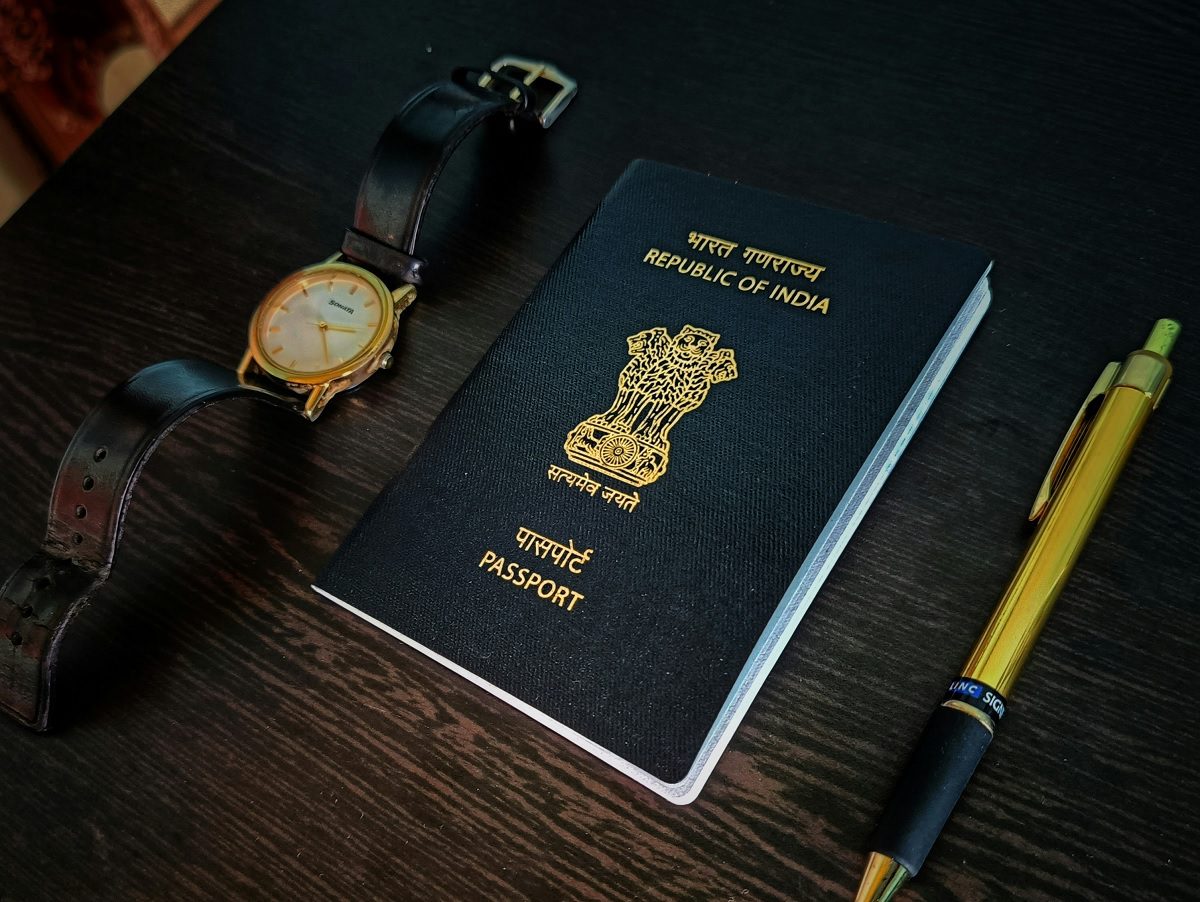
India recently introduced the e-Passport, bringing enhanced digital security and faster immigration processing for travellers. Here’s a quick look at who is eligible to apply, how the application process works, fees involved and more.
Add informalnewz.com as a Preferred Source


Government of India recently rolled out the e-passport, a new version of the traditional passport that uses modern technology to improve safety and speed up travel. This move is aimed at making international travel more secure while bringing India in line with global passport standards.
The e-passport looks similar to the current passport but comes with important upgrades that make it smarter and harder to misuse.
What Is an e-Passport?
An e-passport is a passport that has a small electronic chip embedded in its back cover. This chip safely stores the passport holder’s personal and biometric details, such as their photograph and fingerprints. The data inside the chip is protected using encryption, making it very difficult to copy or tamper with.
You can identify an e-passport by a small gold symbol printed on the cover. This symbol shows that the passport follows international rules set by the International Civil Aviation Organization (ICAO).
Who Can Apply for an e-Passport?
Any Indian citizen who is eligible for a regular passport can apply for an e-passport. However, the rollout is happening in phases. This means not all Passport Seva Kendras and post office centres are issuing e-passports yet.
If your nearest passport office is enabled for e-passport services, your new or renewed passport will automatically be issued as an e-passport. There is no separate or special application process just for the e-passport.
How to Apply and What Is the Fee?
The application process remains the same as before. Applicants must:
Visit the Passport Seva website
Fill out the online form
Pay the application fee
Book an appointment and visit the passport centre for biometric verification
The fees have not changed. For a normal 36-page passport, the fee is Rs.1,500, while a 60-page passport costs Rs. 2,000. Tatkal applications have higher charges.
Existing passport holders do not need to replace their current passports. Old passports will remain valid until they expire.
Why Is the e-Passport Important?
The biggest benefit of the e-passport is better security. The electronic chip makes it much harder for passports to be forged or misused. It also helps authorities verify travellers more accurately.
Another advantage is faster immigration clearance, especially at airports with automated e-gates. This can reduce waiting time and make international travel smoother for frequent flyers.
A Step Towards Smarter Travel
The launch of the e-passport marks an important step in India’s digital journey. By combining technology with travel documents, India is making passports safer, smarter, and more globally compatible. As more centres start issuing e-passports, travellers can expect a more secure and convenient experience in the years ahead.

