

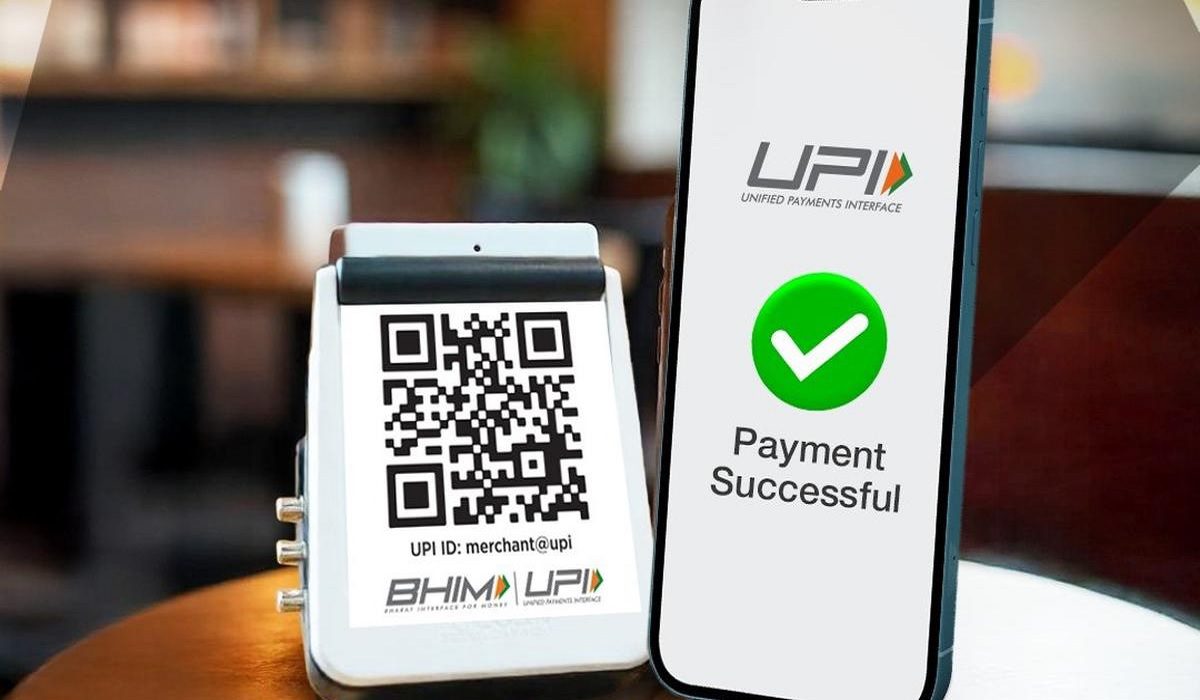
Digital payments are common on a daily basis, but regular small transactions (such as ₹400 per day) can add up to lakhs in a year. The Income Tax Department keeps an eye on such patterns. If this income is from income (tuition, freelancing) and crosses the tax limit, then disclosure in ITR is necessary. By giving honest information, notice-penalty can be avoided.
Add informalnewz.com as a Preferred Source


Nowadays, digital payment has become a part of our daily life. ₹100 to the tea vendor, ₹200 to the vegetable vendor or ₹500 in exchange for some household service, these transactions are now common. People think why would anyone notice such a small amount. But if these transactions keep happening every day, then the picture can change at the end of the year.
Imagine, if you send ₹400 to someone every day through Paytm or Google Pay, then it will become ₹12,000 in a month. In a year, this figure goes above ₹1 lakh. Now if this money is being given or taken in exchange for some service or work, then it can be seen as income and in such a case it is necessary to mention it in ITR.
Transactions with a fixed pattern are identified
The Income Tax Department keeps an eye not only on big transactions but also on the pattern of transactions. If a person repeatedly sends or receives a fixed amount to different or the same account, it could be a sign that some income or service-related activity is going on. In such a situation, the department can check where the money is coming from and for what purpose.
The data of banks and UPI apps can reach the Income Tax Department through the National Payments Corporation of India (NPCI) and banks. This data helps to tell what kind of transactions are happening in which accounts. Therefore, a daily payment of ₹ 100 ₹ 200, even if small, but if it is happening regularly, then it can come under the radar of tax officials.
Are only transactions the basis for tax?
Mere payment is not the reason for tax. If your total income is below the tax limit, then there is no need to worry about such transactions, especially when these are being done as expenses, such as grocery, milk, vegetables or household items. But if you are taking payment for a service from someone, such as tuition, freelance project or running a small business, then it is necessary to consider such digital payments as income and disclose it.
Many people teach tuition or do freelance designing on a small scale and in return take money from Google Pay or Paytm. If this income, added to your total income, crosses the tax limit, then it becomes mandatory to include it in ITR.
It is important to give correct information in ITR
The Digital India initiative has provided facilities, but with it accountability has also increased. Now the Income Tax Department not only looks at transactions worth crores, but also looks at how many times, from where and through which medium the money is coming. This makes it clear that the tax system has now become more granular and data-driven. If you are making or receiving payment through digital means, it would be better to give complete information while filing ITR. Honest disclosure of income prevents the possibility of notice or penalty in the future.

