

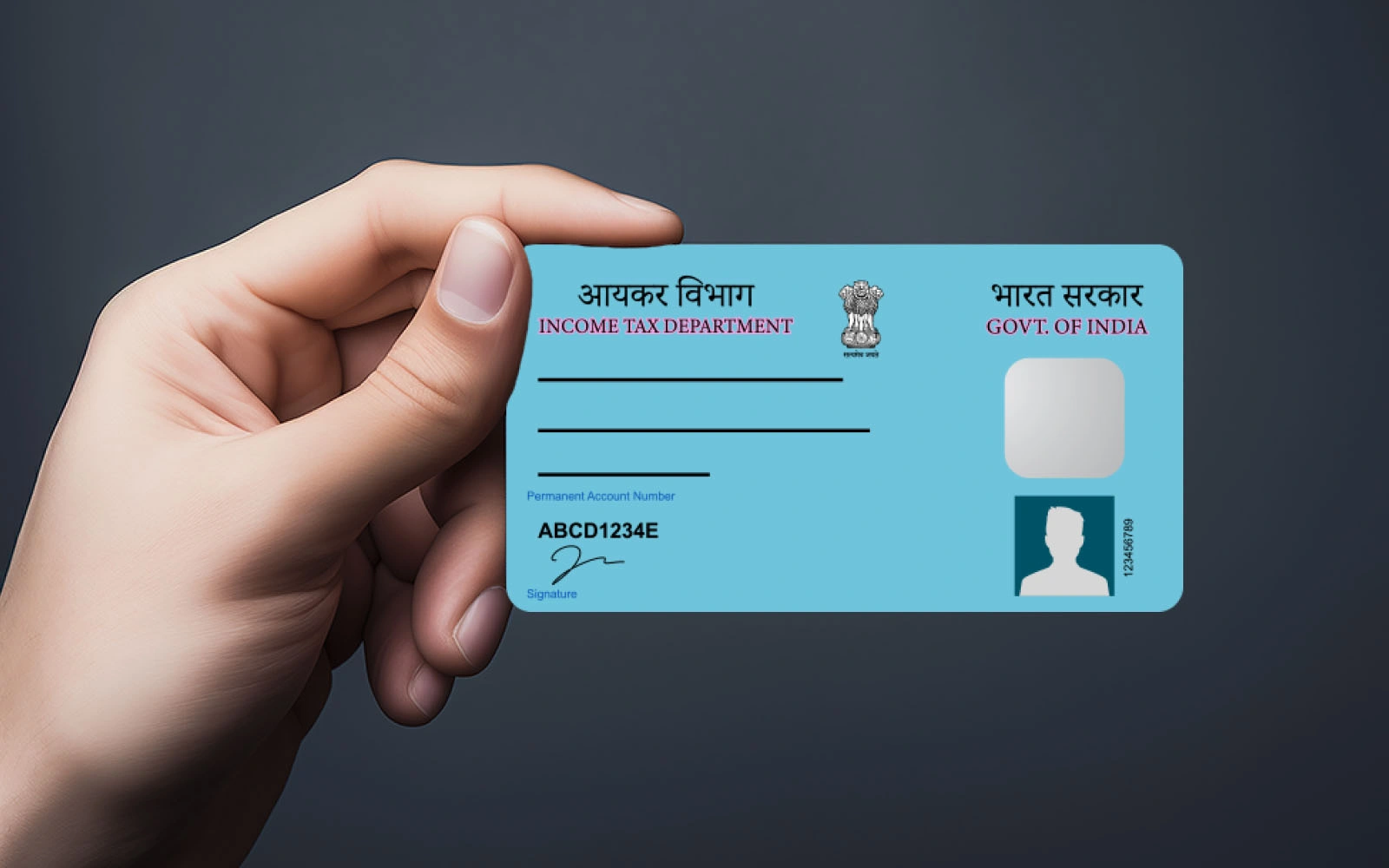
Many rules are changing from April 1st. Among these are some changes related to PAN, which could impact your financial transactions. Especially when you go to deposit money, buy a house, or purchase a car or bike…
Add informalnewz.com as a Preferred Source


PAN Card Rules: Like the Aadhaar card, the PAN card has become an essential document. It is used for every financial transaction, including depositing money in banks, completing KYC, and filing taxes. This document is set to undergo several changes starting April 1st.
With the introduction of the new financial year and the implementation of new income tax rules, the rules for this document have also been tightened. This change will change everything from obtaining a PAN to depositing money in a bank. Let’s find out what changes are happening with the PAN card from April 1st.
1. Tightening of PAN card rules
One change has been made regarding the PAN card. When applying for a PAN card, you will now need to provide not only your Aadhaar card but also other documents. PAN will no longer be available solely on the basis of Aadhaar.
Along with your Aadhaar card, you’ll need to provide another original document. This could be your birth certificate or driving license. Simply put, another document may be required for address proof. This change will be implemented nationwide from April 1st.
2. Change in Bank Transaction Limits on PAN
The biggest change regarding PAN is related to bank transactions. The limit has now changed. Previously, when depositing cash at a bank, you were required to show your PAN for a deposit of ₹50,000. Taking advantage of this, some people would only deposit ₹49,000 or ₹48,000 to avoid this. However, this has now been completely abolished and an annual limit has been imposed. If you deposit ₹10 lakh in your bank account in a year, it will be mandatory to show your PAN.
3. Changed rules regarding PAN for motor vehicles
Previously, every motor vehicle purchase required a PAN card, but this rule has now been changed. Now, if you purchase a vehicle worth more than ₹5 lakh, whether it’s a two-wheeler or a four-wheeler, you’ll need to provide a PAN card. Providing PAN will only be mandatory if the purchase price exceeds ₹5 lakh. This rule will also be effective from April 1st.
4. Changes Regarding Property
If you purchase a property and register it, you must provide a PAN card if the registration value or circle rate is ₹10 lakh. This has now been increased to ₹20 lakh. This rule will also come into effect from April 1.
5. PAN on Hotel or Restaurant Bills
Previously, PAN was required for cash settlements for restaurant or hotel bills above ₹50,000. However, this limit has now been increased to ₹1 lakh. Similarly, PAN was required for insurance premiums above ₹50,000. This has also been changed.
6. PAN for Transactions Above ₹2 Lakh
No changes have been made to other transaction limits related to PAN. However, if a transaction does not require PAN, it will be mandatory for any transaction above ₹2 lakh.

