

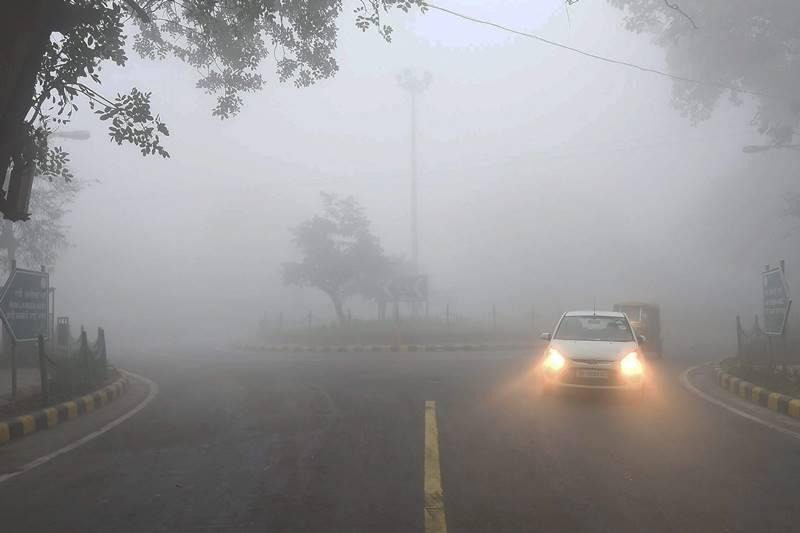
Nighttime thaws troubled residents in 25 cities across Uttar Pradesh, while bright sunshine during the day brought some relief. A difference of about 15 degrees was recorded between day and night temperatures. Lucknow recorded a minimum temperature of 6–7 degrees, while Meerut and Bahraich were the coldest. According to the Meteorological Department, fog and thaw will increase again from Monday.
Add informalnewz.com as a Preferred Source


The January cold in Uttar Pradesh is taking on a different character this time. Nights are freezing cold, while bright sunshine provides a few hours of relief. This fluctuating temperature has thrown normal life into disarray. People are resorting to bonfires and warm clothing in the morning and night, while by afternoon, they are seen sitting in the sun seeking relief from the cold.
Last night, the cold snap dispelled people’s sleep in approximately 25 cities across the state. While the wind wasn’t strong, the humidity and fog made the cold feel bone-chilling. Significantly, the difference between day and night temperatures was recorded at around 15 degrees, making the weather even more uncomfortable.
The westerly winds subsided, bringing relief from the sun.
According to the Meteorological Department, the western disturbance significantly reduced the speed of the westerly winds. This resulted in increased heat during the day. The sky remained clear since morning, and people breathed a sigh of relief as the bright sunshine emerged. In many districts, including the capital Lucknow, people were seen basking in the sun in parks, rooftops, and open spaces in the afternoon after enduring the morning cold. Shops, offices, and markets also appeared somewhat lively during the afternoon. According to Meteorological Department data, the maximum day temperature was recorded 3.1 degrees above normal. The maximum temperature in Lucknow reached 23.5 degrees Celsius, providing some relief from the cold.
Night’s wrath continues
However, this relief was limited to the day. As soon as the sun set, the cold again gripped people. The minimum night temperature in Lucknow was recorded between 6 and 7 degrees Celsius. Meanwhile, Meerut and Bahraich were among the coldest districts in the state. Meerut recorded a minimum temperature of 4 degrees Celsius, while Bahraich recorded a low of 4.5 degrees Celsius. The cold in these districts was so intense late at night and early in the morning that people avoided leaving their homes unnecessarily. The effects of the cold were even more pronounced in rural areas. Dew and moisture in the fields made the cold feel more intense. Workers and farmers heading out for work early in the morning faced the most difficulties.
Cold Impact in 25 Cities
The 25 cities in the state that experienced the most severe cold include Lucknow, Kanpur, Meerut, Bahraich, Gorakhpur, Prayagraj, Varanasi, Ayodhya, Bareilly, Moradabad, Saharanpur, Muzaffarnagar, Agra, Aligarh, Mathura, Jhansi, Fatehpur, Sitapur, Hardoi, Lakhimpur Kheri, Rae Bareli, Sultanpur, Jaunpur, and Ballia. The effects of cold, fog, and humidity were clearly visible in all these areas during the night and morning. Visibility was also low in many places in the morning, forcing drivers to be extra cautious.
The relief is temporary, and fog will return.
The Meteorological Department has clarified that the respite from the daytime sunshine will not last long. According to the department, fog and slush may intensify again in the state in the coming days. Dense fog is expected to cover areas from western Uttar Pradesh to Purvanchal in the coming days. This is also likely to cause a drop in minimum temperatures, particularly during the night and morning.
A Challenge for the Elderly and Children
This rapidly changing weather is affecting the elderly, children, and the sick the most. According to doctors, the significant difference in day and night temperatures is increasing the incidence of colds, coughs, fevers, and respiratory problems. Government hospitals and private clinics are seeing an increase in the number of patients with cold-related illnesses. Doctors advise people to wear warm clothing during the morning and night and to utilize sunlight appropriately during the day.
Bonfires became a refuge from the cold
Bonfires were seen burning in urban and rural areas to protect themselves from the cold. People gathered around bonfires at bus stands, railway stations, markets, and intersections, seeking relief from the chill. The municipal corporation and local administration also arranged for bonfires in some places, but in many areas, people were seen taking self-rescue measures.
When will we see relief from the cold?
According to the Meteorological Department’s forecast, the cold may ease somewhat after the third week of January. However, several periods of fog and slush are still to come before that. Experts say that it would not be right to consider the sunshine as a respite from the cold. This relief is temporary, and the weather can change at any time. The Meteorological Department has appealed to people not to take the changing weather lightly. Exercise caution during the morning and night, be especially vigilant while driving in fog, and take care of their health.
Read More: H-1B and H-4 visa holders are at great risk; take a careful decision before coming to India.

