

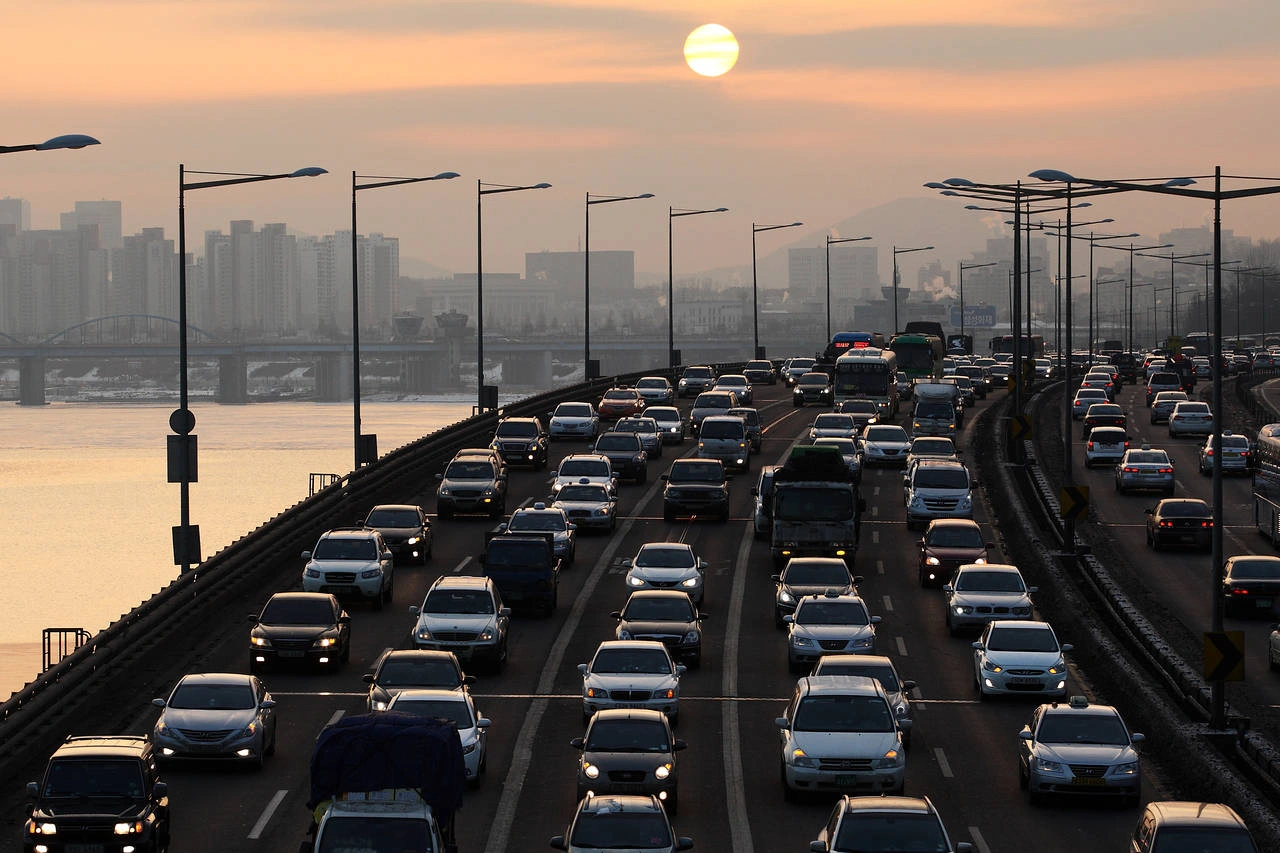
It works much like the odd-even formula, but the difference is that it’s designed for five days a week. Cars will be off the road on the day a particular group is assigned.
Add informalnewz.com as a Preferred Source


Tensions in the Middle East are steadily rising. Concerns about oil supplies are impacting many countries. South Korea has now taken a significant step to conserve fuel. The government has implemented a 5-day vehicle restriction system, which means all vehicles will be divided into five groups based on the last digit on their license plates. Vehicles in each group will be prohibited from driving on one day a week, meaning that your vehicle will be completely banned from use for one day a week.
In simple terms, this system works much like the odd-even scheme, but the difference is that it’s designed for five days a week. Cars in a particular group will be off the road on that particular day. Starting today, Wednesday, this system will be strictly enforced in South Korean government offices and the public sector.
Why was this rule enacted?
The primary objective of this rule is to reduce petrol and diesel consumption to mitigate the impact of the growing oil crisis on the country. Any government employee who fails to comply with this rule can face action. While it hasn’t yet been made mandatory for private companies and ordinary citizens, the government is encouraging them to comply.
Electric Cars and Hydrogen Vehicles Exempt
Notably, electric and hydrogen-powered vehicles are exempt from this rule because they are not entirely fuel-dependent. Furthermore, the government is also trying to save fuel and energy not just on vehicles but through other means. Companies are being advised to adjust their employees’ work schedules, such as staggered shifts, to reduce traffic and fuel consumption.

