

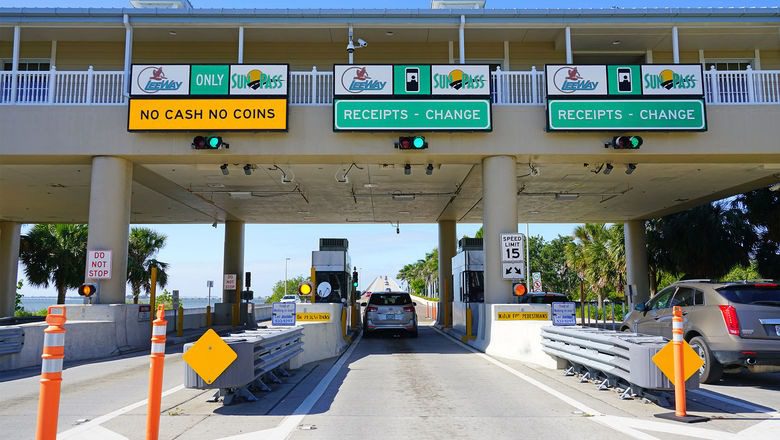
Cashless Tolls: All toll plazas across the country will become completely cashless from April 1. This means that drivers will now have to pay toll charges only through FASTag or UPI.
Add informalnewz.com as a Preferred Source


Cashless Tolls: The way we travel on our national highways is changing. Another significant change is underway. In fact, the very method of paying tolls on highways is about to change completely. The central government is preparing to ban cash payments at national highway toll plazas from April 1st. This means that the hassles of waiting in long queues, the hassle of having to pay cash, and the compulsion to stop at toll booths are about to end.
Under the new system, drivers will be required to pay toll charges only through FASTag or UPI, a major step towards digital travel. The government believes that this new decision will not only save money but also reduce travel time and make commuting easier.
Why are toll plazas being made cashless?
Preparations were already underway to make toll plazas cashless. Currently, an official notification is awaited, after which it will be implemented. This decision aims to reduce traffic congestion at toll plazas. With digital payments, vehicles will no longer have to stop for cash transactions or wait for change. This will also save fuel by reducing frequent braking and accelerating at toll points. Payments made digitally will also maintain a record.
What are its other benefits?
V. Umashankar, Secretary of the Union Ministry of Road Transport and Highways, says that India’s digital economy is rapidly advancing. The facility to pay at tolls using UPI was first introduced, which was well-received. Now, the government has decided to completely ban cash payments at toll plazas. After April 1st, only FASTag or UPI will be valid for payment at toll plazas.
Officials say this change is also a step toward modernizing India’s toll system. The government is working on a barrier-free tolling model called Multi-Lane Free Flow, where vehicles can travel through toll areas at normal highway speeds without stopping. The report states that efforts are being made to learn about advanced technology used in other countries.

