

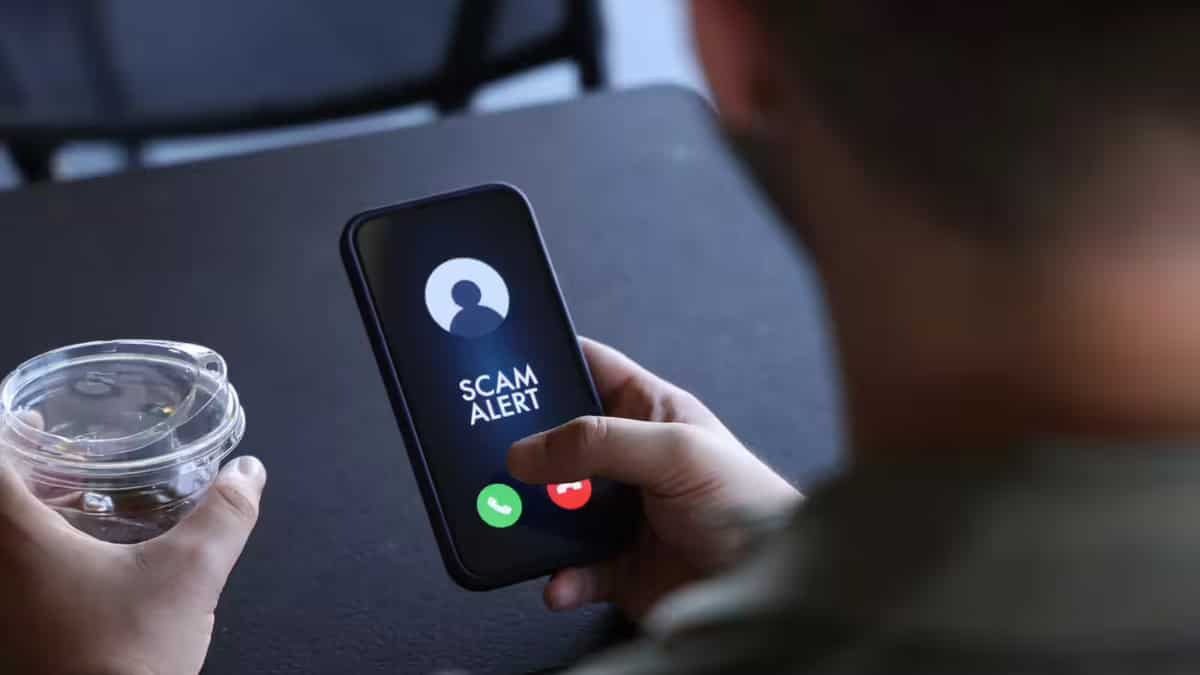
Spam Calls: TRAI has taken a major step that will make it easier for people to distinguish between genuine and fake calls. TRAI has announced that banks, insurance companies, non-banking financial institutions, mutual fund companies, and stock market entities will now only call customers from phone numbers in the ‘1600’ series.
Add informalnewz.com as a Preferred Source


New Series Numbers: Spam calls and fraudulent calls have become extremely common in India. People are becoming victims of fraud every day, especially due to fraudulent calls related to banking, loans, credit cards, and insurance. TRAI has taken a major step to make it easier for people to distinguish between genuine and fake calls. TRAI has announced that banks, insurance companies, NBFCs, mutual fund companies, and stock market entities will now only call customers from phone numbers in the ‘1600’ series. This will allow anyone to immediately determine whether a call is from a “genuine financial institution” or a fraudulent group. This decision was issued on November 19, 2025.
Why was this major decision taken?
Millions of people in India fall victim to fraudulent calls every month.
For example:
- Posing as a bank employee and obtaining OTPs.
- Withdrawing money under the guise of updating KYC.
- Extorting payments by offering a loan.
- Fake insurance renewal calls.
TRAI said that official calls from the financial sector were getting lost among all other commercial calls, so people were unable to identify which call was genuine and which was spam.
After the implementation of the ‘1600’ series:
- If the call begins with “1600” = a call from a genuine financial institution
- If the call comes from another mobile number = 99% fraud/unauthorized call
These changes are being made to prevent financial fraud on a large scale across the country.
Which organizations must adopt the 1600 series?
TRAI has set different dates for different sectors.
The complete timeline is given below:
Chart/Table: By when do organizations need to adopt the 1600 series?
| Sector/Institution | last date |
|---|---|
| Commercial Banks (All Government, Private, Foreign Banks) | January 1, 2026 |
| Large NBFCs (₹5000 crore+ assets) | February 1, 2026 |
| Payment Bank, Small Finance Bank | February 1, 2026 |
| Other NBFC, co-operative banks, RRBs (small banks) | March 1, 2026 |
| Mutual Funds and Asset Management Companies | February 15, 2026 |
| Qualified Stock Brokers (QSB) | March 15, 2026 |
| Other SEBI registered entities | Adopt voluntarily (you can do it earlier if you want) |
| Pension fund managers, central record keeping agencies | February 15, 2026 |
| Insurance Companies (Insurance Sector) | date will be announced soon |
How will this new rule benefit customers?
1. Spam calls will be immediately identified.
If the incoming call isn’t from a “1600” number, the user will understand that it’s not a genuine call from a financial institution.
2. Phone frauds will be reduced.
This system will greatly help prevent fraudulent transactions involving OTP, KYC, and card blocking.
3. The banking experience will be safer.
Now, customers can rest assured that the bank has contacted them.
4. Online scammers will find it harder.
Now, fraudsters won’t have the opportunity to create numbers that resemble the bank’s or hide their caller ID.
5. Call tracing will be easier.
If a problem arises, a complaint about a call from a 1600 number can be easily filed.
How will this change work? (Understand in simple terms)
DoT has issued a separate “1600 series” for the BFSI sector.
Now, every bank/insurance company will shift its call center number to this series.
When you pick up the phone, a number starting with “1600…” will appear on the screen.
This way you’ll know the call is genuine.
Example:
Before: +91 987123XXXX → Who? Don’t know
Now: 1600-45-XXXX → Genuine banking call
What should customers do?
- In the coming months, genuine bank calls will only come from the “1600” series.
- If a call comes from a mobile number/WhatsApp call, be immediately cautious.
- Do not click on any OTP, UPI request, or link.
- The bank never calls from a mobile number asking for personal information.

