
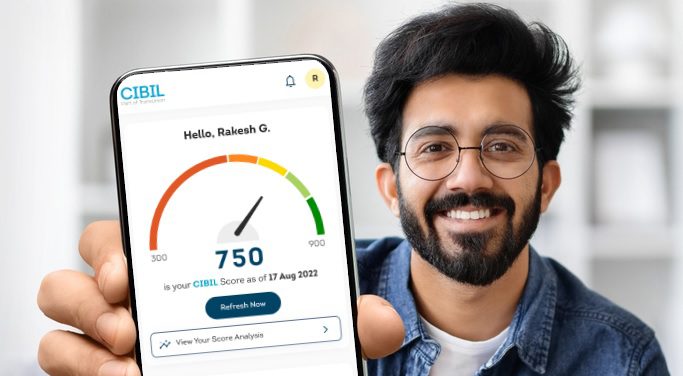
The Reserve Bank of India (RBI) has taken a major step towards making the credit system more real-time and rigorous. The entire game is set to change starting April 1, 2026. Credit scores will be updated every 7 days.
Add informalnewz.com as a Preferred Source


If you’ve ever applied for a loan or credit card, you’ve likely heard the question: “What is your CIBIL score?” Until now, this score has been a bit slow. You’d pay EMIs and make adjustments, but it would take up to two weeks for the results to reflect in your score. But that wait is about to end.
The Reserve Bank of India (RBI) has taken a major step toward making the credit system more real-time and robust. Starting April 1, 2026, the entire game is set to change. Credit scores will be updated every seven days. This means your financial habits—whether good or bad—will become readily apparent. This will benefit both the bank and the customer.
What will change from April 2026?
Until now, all the country’s credit information companies (CICs)—such as TransUnion, CIBIL, and Experian—used to update customer credit data every 15 days.
According to the RBI’s new proposal,
- Now, credit scores will be updated weekly.
- Data will be refreshed five times a month.
The scheduled dates will be:
- 7th
- 14th
- 21st
- 28th
Last date of the month
The meaning is clear: there will be no delay in scores, and the impact will be immediate.
How will the new system work?
The RBI has not only changed the frequency of updates, but has also finalized the entire data flow.
1. Monthly Full Data Submission
Every bank and NBFC must:
- Complete credit data as of the last date of the month.
- Submitted to all CICs by the 3rd of the following month.
This will include:
- All active loans and credit cards.
- Also accounts that have recently been closed.
2. Weekly Updates = Only New Changes
In mid-month updates (7th, 14th, 21st, and 28th), banks will:
- Submit only new or changed data, not complete data.
This will include:
- Newly opened loans or cards
- EMI payments or defaults
- Changes such as address, name, guarantor
- Changes in account status (such as moving from SMA to NPA)
Banks must submit this data to CICs within 2 days.
3. RBI Monitors Negligence
- If a bank or NBFC fails to submit data within the stipulated timeframe,
- CICs will report this to the RBI.
- This report will be posted on the DAKSH portal twice a year: on March 31st and September 30th.
This means there will be no room for laxity in the system.
What does this mean for the common man?
This is where this rule becomes most important.
If you pay EMIs on time,
- a good score will be reflected sooner,
- the chances of loan or credit card approval will increase,
- you may receive a lower interest rate.
If you’re late
- Even a single day’s delay can quickly reflect in your score.
- The next loan could be expensive or rejected.
- Whereas mistakes used to remain “hidden,” they will now be immediately exposed.
What benefits do banks and NBFCs have?
For banks, this change is a game-changer in risk management.
- They will now receive the latest score.
- They won’t be forced to lend based on outdated data.
- The risk of fraud and default will be reduced.
Simply put, banks will be more vigilant, and lending will become more responsible.
What is a credit score?
A credit score is a 3-digit number (300-900) that indicates your reliability in repaying your loans.
| Score Range | Meaning |
|---|
| 300–550 | Weak |
| 550–650 | average |
| 650–750 | Good |
| 750–900 | Very good |
This score is based on:
- EMI and card bill timing.
- Total debt.
- How long have you been using credit.
How to check your CIBIL score?
- On the TransUnion CIBIL website
- Free once a year.
- Paid plans for repeated checks.
- Many banks and fintech apps also offer free scores.
Finally, the important thing:
This new RBI rule sends a clear message that the credit system will be more stringent, faster, and transparent. Good behavior will be rewarded quickly, and bad habits will be detected quickly. If you plan to take out a loan or upgrade your credit card in the future, every EMI and every date will matter.
🙏 Support Independent Journalism
We keep news free for you.
Most readers support with ₹500 ❤️
or scan QR below

Voluntary contribution. No tax benefits.
Add informalnewz.com as a Preferred Source
DISCLAIMER
We have taken all measures to ensure that the information provided in this article and on our social media platform is credible, verified and sourced from other Big media Houses. For any feedback or complaint, reach out to us at informalnewz@gmail.com