

The Delhi government is preparing to implement EV Policy 2.0. Its aim is to reduce pollution and promote electric vehicles. The policy will focus on EV subsidies, scrappage schemes, battery recycling, and charging infrastructure. The target is to install 5,000 public charging stations by 2030.
Add informalnewz.com as a Preferred Source


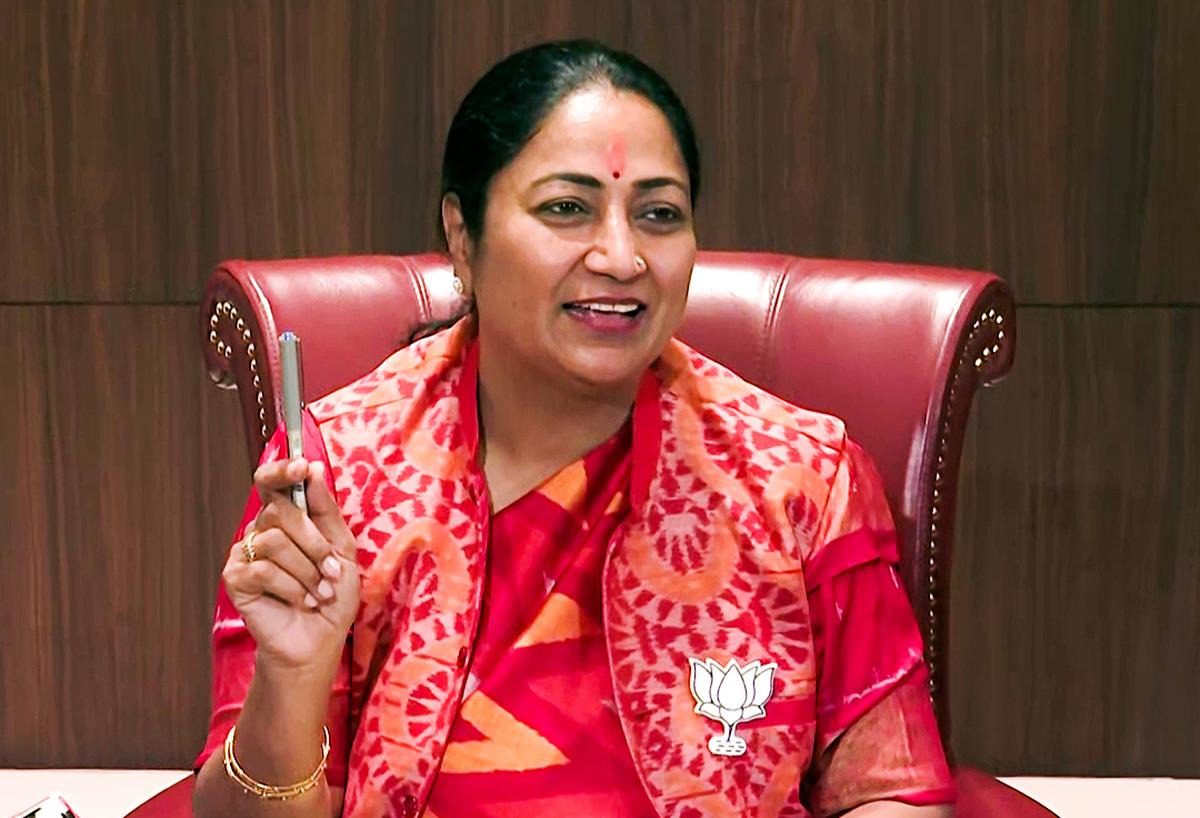
The Delhi government is preparing to implement the new Electric Vehicle Policy 2.0 from the next financial year. The objective of this policy is not only to increase the sales of electric vehicles but also to effectively control the rising pollution in the capital. Chief Minister Rekha Gupta shared key points related to this policy on December 20, 2025. The government believes that by promoting EVs, Delhi’s air can be cleaned and dependence on petrol and diesel vehicles can be reduced.
Subsidies and Scrappage Schemes Will Focus Specially
Delhi EV Policy 2.0 will focus on three main areas: subsidies on EV purchases, vehicle scrappage schemes, and charging infrastructure. The government plans to provide subsidies to reduce the price difference between petrol, diesel, and electric vehicles, although the final amount and structure have not yet been finalized. Additionally, financial incentives will be provided for scrapping old and highly polluting vehicles. Individuals who scrap their old vehicle and purchase a new electric vehicle will receive additional benefits.
Battery Recycling and Expansion of Charging Networks
Battery recycling has also been given a significant priority in the new EV policy. The average lifespan of electric vehicle batteries is approximately 8 years, and given the challenges of their disposal, it is proposed to develop an organized battery recycling chain. Prior to the policy, there will be an emphasis on strengthening infrastructure by increasing the number of charging stations. Furthermore, the government has set a target of establishing 5,000 public charging stations by 2030. These stations will have four to five charging points, and they will be located in market complexes, multi-level parking lots, and government buildings.
EV Adoption Will Reduce Pollution Levels
EV adoption will reduce levels of pollutants such as PM 2.5 and PM 10. Subsidies will be provided to bridge the price gap between petrol-diesel (ICE) vehicles and EVs. It should be noted that road tax and registration fees have already been waived for EV purchases.
Read More: Bank Holidays: Banks will be closed for four days this week, check the holiday list before leaving.

